

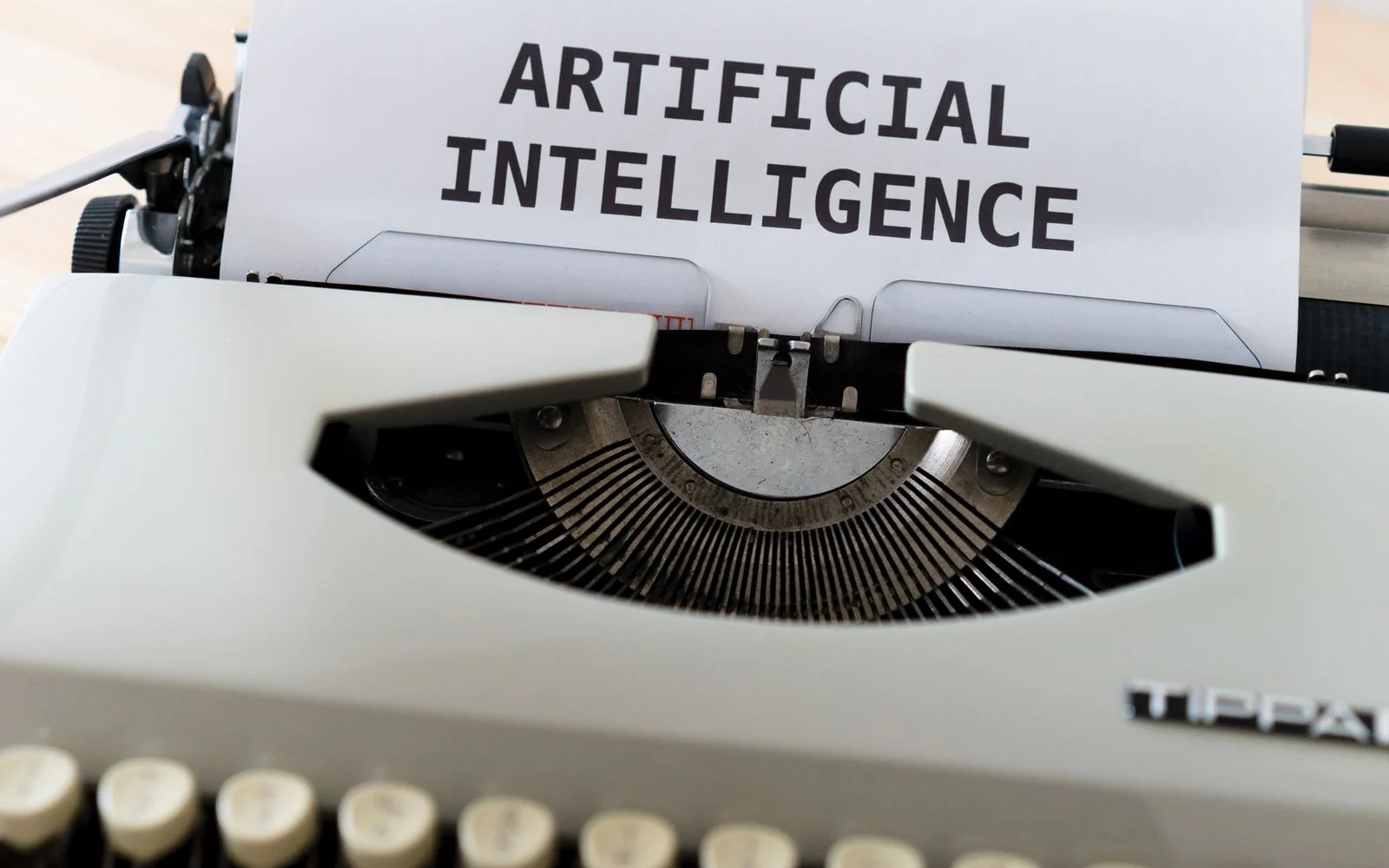
Sebaraya Tech – Generative AI is software that creates new content, such as text, images, audio, video, or code, after learning patterns from huge amounts of existing material. The US standards agency NIST describes it as AI models that imitate the structure of their training data to generate new, synthetic content.
Chatbots, image generators, and coding assistants all fall under this label. This explainer covers how the technology works in plain terms, what it’s good at, where it goes wrong, and how to use it sensibly.

How Generative AI Works
A text model learns by studying how words tend to appear together. When you ask it something, it predicts the next most likely word, then the next, building the answer one piece at a time.
Imagine finishing the sentence “Instead of turning left, she turned…” Most people would say “right.” The model makes that kind of guess over and over, word by word.

OpenAI says its models don’t keep copies of the sentences they trained on. Instead, training adjusts internal settings, called weights or parameters, that capture patterns.
Where the Training Data Comes From
Big language models learn from a mix of sources. OpenAI lists publicly available internet content, information accessed through partnerships, and material provided by users, human trainers, and researchers.

That breadth is why a chatbot can discuss cooking and coding in the same conversation. It’s also why it can repeat mistakes or biases found in that material.
What It Can Create
Modern models are often multimodal, meaning they can take in and produce more than one kind of content. Google describes its Gemini models as able to generate images from a text description, create videos, help with code, and pull text out of images.
| Type of output | Everyday example |
|---|---|
| Text | Drafting an email or summarizing a long report |
| Images | Making an illustration from a written description |
| Video | Producing a short clip from a prompt |
| Code | Suggesting or explaining lines of a program |
Why the Same Question Gets Different Answers
Ask a chatbot the same question twice and you may get two different replies. OpenAI says this randomness is built in, so answers can vary between attempts.
That’s handy for brainstorming. It’s less handy when you need one exact fact, which is a good reason to double-check anything important.
The Risks You Should Know
NIST lists twelve risks that generative AI creates or makes worse. Four are especially relevant to everyday users:
- Confabulation: confidently stated but false answers, often called hallucinations.
- Data privacy: personal details you type in may be stored or exposed.
- Harmful bias: unfair patterns from training data can show up in answers.
- Intellectual property: generated content may resemble protected work.
None of these mean you should avoid the tools. They mean you should treat output as a draft, not a final answer.
Using It Sensibly
Use generative AI for first drafts, explanations, and ideas, then check facts, figures, and quotes against a reliable source.
Don’t paste passwords, ID numbers, or private documents into a chatbot unless you understand how that service stores your data.
Next time you try a chatbot, ask it something you already know well. Seeing where it’s right and wrong is the fastest way to learn how much to trust it.

Komentar Ditutup! Anda tidak dapat mengirimkan komentar pada artikel ini.